


A study by climate scientists has revealed that over the past 200 years, global warming can largely be attributed to human beings. A comparison of the Earth’s surface temperature before the industrial revolution in the late 1800s and what it is now shows that currently it is 1.1°C warmer. It is warmer than it has been at any point in the last 100,000 years.
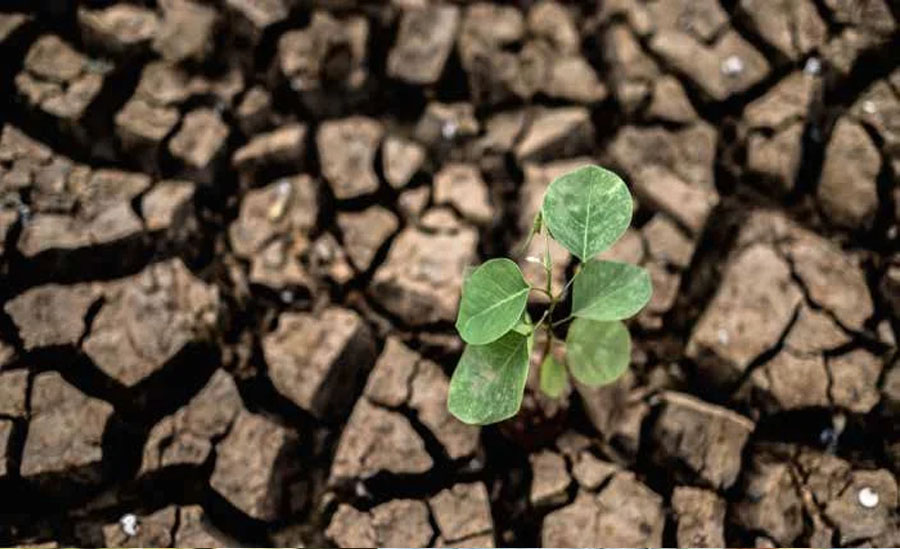
The warmest decade was registered in 2011–2020, and since 1850, each of the four decades has been warmer than the previous one. The warmer temperatures are just one of the many alarming issues in the saga of climate change. The effects of climate change manifest themselves in contractions of nature: water scarcity, severe droughts, floods, fires, melting polar ice, rising sea levels, severe cyclones and storms, and declining biodiversity.
Climate change impacts different sectors and ecosystems, and the need to nurture rather than exploit natural resources to further climate action assumes deeper significance. Established in 1988, the United Nations Body (IPCC), or Intergovernmental Panel on Climate Change (IPCC), has 195 member states.

The IPCC was established jointly by the UNEP or United Nations Environmental Programme and the World Meteorological Organization (WMO).
It evaluates the science related to climate change and provides political leaders with periodic assessments of climate change. Climate change has a pronounced effect on health, food production, housing, work and safety, amongst a host of other effects.
The emissions that are detrimental to climate change come from all over the world and affect mankind at large, irrespective of the countries.
A series of UN Reports point to a 2.8°C rise in temperature by the end of this century, as against the desirable below 1.5°C to ensure a livable climate. Quite paradoxically, the solutions are housed within our own eco system. Climate change solutions can have manifold benefits, like protecting our environment and improving the lives of human beings.
There are global frameworks and agreements in place to guide our progress. The Sustainable Development Goals, the Paris Agreement and the UN Framework Convention on Climate Change, to name the three,. The broad categories encompass the following:
- cutting emissions,
- adapting to climate impacts and
- financing required adjustments.
corporate energy to deliver climate-supportive actions. CSR, under its’ broad umbrella can support social, economic and environmental change. The emerging primary focus is on green transition. Despite the threats posed by the pandemic, the silver lining in the dark cloud of gloom and misery has undoubtedly been the “work from home” concept.
Switching to remote working necessitated by COVID -19 during and even after the pandemic has helped reduce travel emissions, lighten traffic and allow businesses to use fewer office resources like paper, electricity, bathroom supplies and so on. Even those businesses that have chosen to resume in-person work have realized the efficacy of switching to electric or hybrid vehicles, encouraging carpooling, investing in renewable energy sources, and encouraging employees to reuse, reduce, and recycle, amongst many other austerity measures that would make our environment and climate thrive.
Small eco-conscious habits are coming together surely and steadily to complete the larger picture of environmental goals and actions. It is heartening to note that corporations have made long-term commitments to creating a net-zero footprint and reducing pollution.

Resource management, avoiding and minimizing food waste, banning single-use plastic, adopting eco-friendly containers for packaging, reducing the use of paper, and many other measures are being pooled together to give back to the community. There is an emerging and accentuating “green mindedness” in both corporations and the community which needs to be honed further.
A Green CSR approach has manifold benefits, such as mitigating business risks, enhancing the corporate reputation, and opening up avenues for cost savings. With the flame of corporate environmental responsibility (CER), getting fanned to encompass actions that abstain from damaging the natural environment, environmentalism manifests itself in many of its’ climate-related actions. Aspects like energy usage, water usage, waste management, recycling, emissions, and eco-friendly office as well as business travel policies are paid heed to.
By reducing employee carbon footprint and empowering and supporting them to do so, we can go a long way toward combating climate change. Transportation for example, accounts for 37% carbon emissions. Nurturing biodiversity, cultivating a culture of zero-waste, and fostering a climate-conscious workplace culture. Businesses have a crucial role to play in the fight against climate change. They are, in fact, the source of most of the world’s emissions.
Businesses have to play their part; otherwise, the targets set will never be met. Companies that display leadership on climate have pronounced intangible benefits such as improving their reputation and business relationships with the external audience, namely customers, investors, suppliers, and regulators. They will also have low exposure to climate risks. By adopting a well-defined climate action plan, businesses can stay ahead of future policy changes and climate regulations.
They can also encourage innovation and hire engaged and talented staff for this purpose. Companies can assess their exposure to climate risks and embark on their strategies for climate adaptation and resilience. They can develop their responses and mobilize funding so that they can build the maximum protection possible for the economy, the people, and the natural ecosystems.
The climate change reporting framework is the sole framework that permits companies to report climate change-related information in their main stream financial reports. This information is helpful for investors and the world capital markets to support actions that minimize the risk of climate change and illuminate the path forward that would enhance market resiliency and move forward towards a low-carbon economy.
Delving specifically into the profound effects in India, the country would rank as the 4th most affected by climate change as per the 2015 data. India ranks among the third largest in the world in greenhouse gas emissions. “India emitted 2.8 g of COq in 2016 (2.5 including LULUCF). 79% were CO2, 14% were methane, and 5% were nitrous oxide. India emits about 3 gigatonnes (Gt) of greenhouse gases each year, or about two tons per person, which is half the world average. The country emits 7% of global emissions. ”
Source: Wikipedia
Climate issue actions should ideally be an outcome of government and individual efforts. Corporations, on the other hand, as large entities, can wield a lot of power and play a larger role. They can shape consumer preferences, drive policy change and respond rapidly to incorporate the necessary changes needed to battle climate change. Companies are, in fact, gearing up and well poised to take responsibility for their carbon footprints.
In the larger context, countries must commit to decisive action on climate change. A few key initiatives could be to set emission reduction targets, bolster adaptation plans, and devise roadmaps to achieve the goals. The record-breaking heat, storms, floods, droughts, and wildfires loom large on the horizon, with devastating effects on the environment and human kind. Strong and urgent actions are needed to build a resilient and sustainable future that ensures a healthy and livable planet not only for the present but for generations to come. It is time for a clarion call to the corporate world to collaborate and act.
By : Dr. Shabnam Asthana